
Choosing the right video production company is the single most important creative decision a Dubai property developer will make this year. We see it every week at DAO Marketing: teams with stunning towers and penthouses that never sell because their film looks like a holiday vlog. This guide is for ambitious developers and luxury lifestyle brands who want cinematic work that matches the calibre of what they build. We'll walk through what a video production company actually does, why premium property film is different, how to choose between an agency and a freelancer, and what a realistic Dubai budget looks like.
Key Takeaways
- Choose a video production company that understands Dubai's luxury property market, not just any crew with a camera.
- Cinematic real estate content sells a lifestyle, so look for work that feels like film, not a walkthrough.
- Compare video production services on portfolio depth, senior creative involvement, and how well they handle light, texture, and pacing.
- A strong video production agency should manage the full process from brief to final cut without you chasing updates.
- Evaluate production partners by their past work for ambitious property and lifestyle brands, not by equipment lists alone.
What a Video Production Company Actually Does
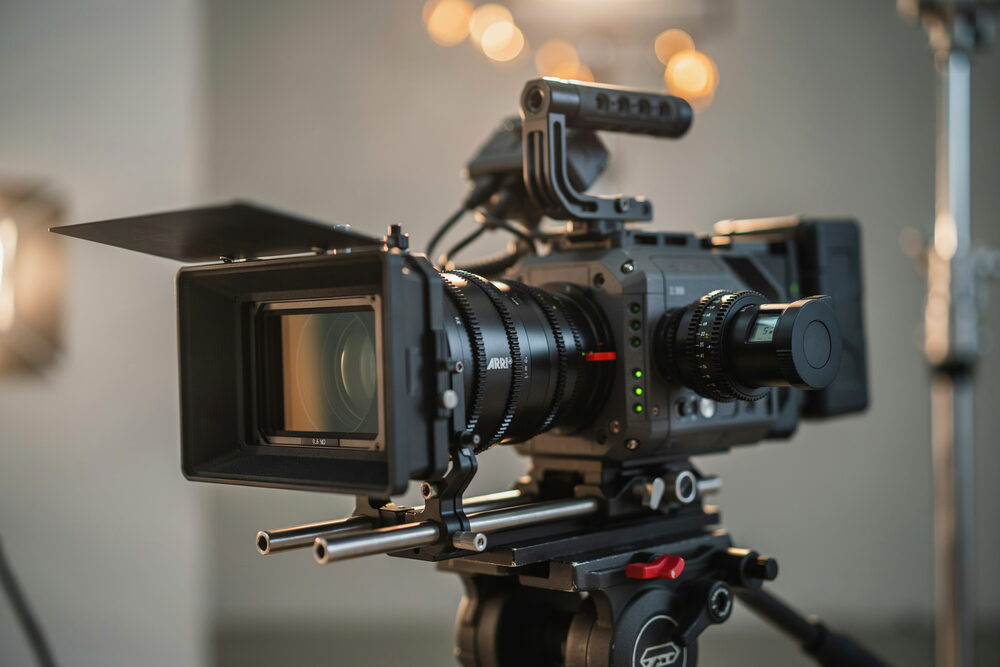
A video production company handles the full lifecycle of a film project, from the first creative conversation to the final delivered files. That scope separates it from a lone videographer who shows up with one camera and a light, and from a full-service marketing agency that treats video as one item on a long menu. The production company is the specialist in the middle, and for property developers in Dubai, that specialist focus matters.
The work breaks into four phases. Pre-production covers scripting, storyboarding, location scouting, casting, and scheduling. Filming is the shoot itself, with directors, camera operators, grips, and sound recordists working as one unit. Post-production includes editing, colour grading, sound design, motion graphics, and music licensing. Delivery means exporting in the right formats for each platform, from a 16:9 cut for YouTube to vertical edits for Instagram Reels and TikTok.
What surprises most developers is how much of the budget sits in pre-production and post. A two-day shoot might require three weeks of planning and another two weeks in the edit suite. The camera work is the visible part, but the invisible work is what makes a property film feel effortless. A single videographer can capture a villa competently, but they rarely have the team to run a drone, a gimbal, a lighting rig, and a second camera at the same time.
We see this distinction play out constantly in Dubai. A developer who hires a freelancer for a launch film often ends up with good footage and weak storytelling. A video production services team brings a director, a producer, and a post supervisor who each own a piece of the outcome. That structure is what turns raw footage into a film that actually sells units.
The other difference is accountability. A production company signs a scope of work with deliverables, revisions, and deadlines. A freelancer might disappear for a week after the shoot. For a launch event with a fixed date, that reliability is not a nice-to-have. It is the entire point.
Why Dubai Property Developers Need More Than a Camera Crew
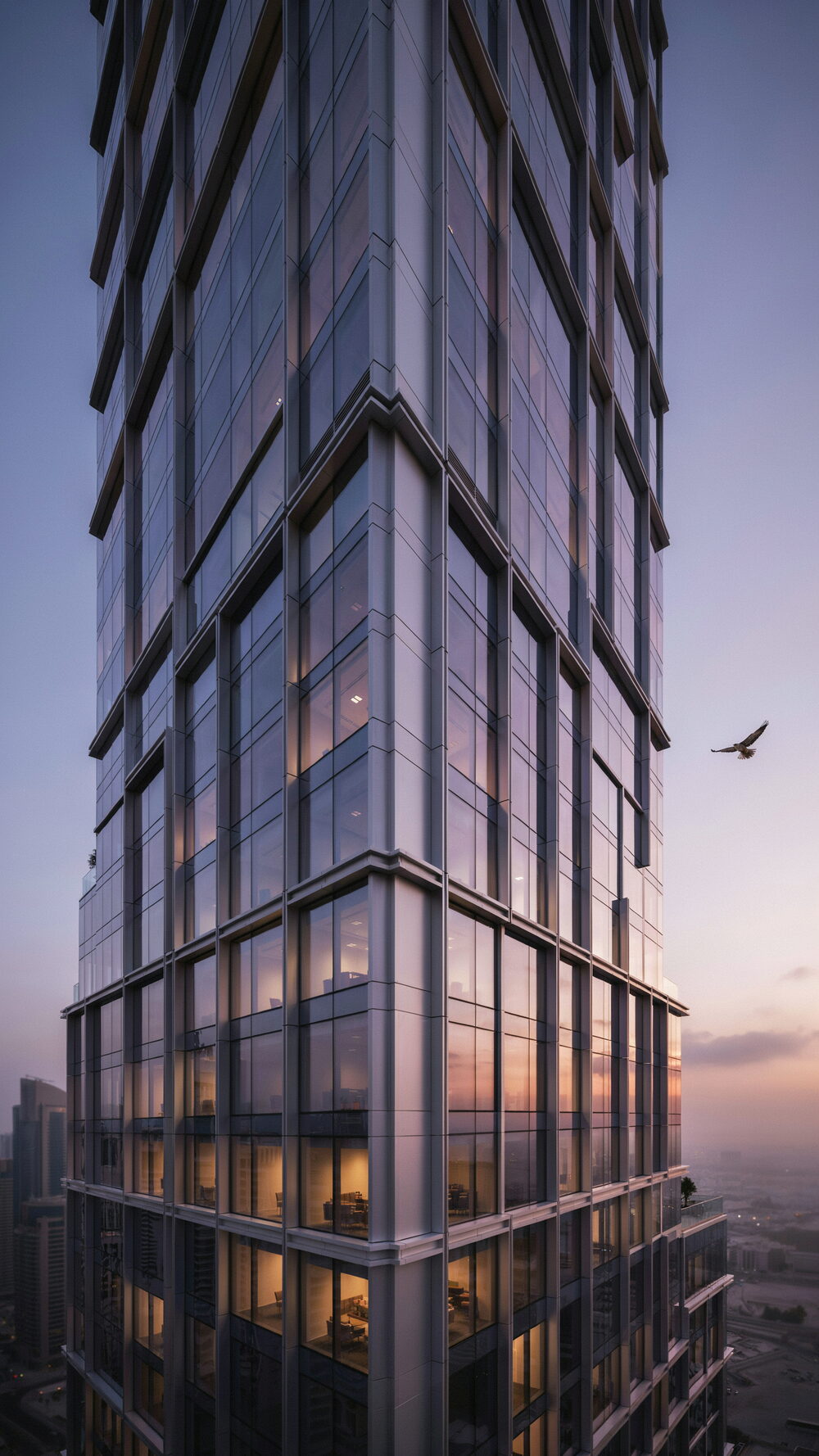
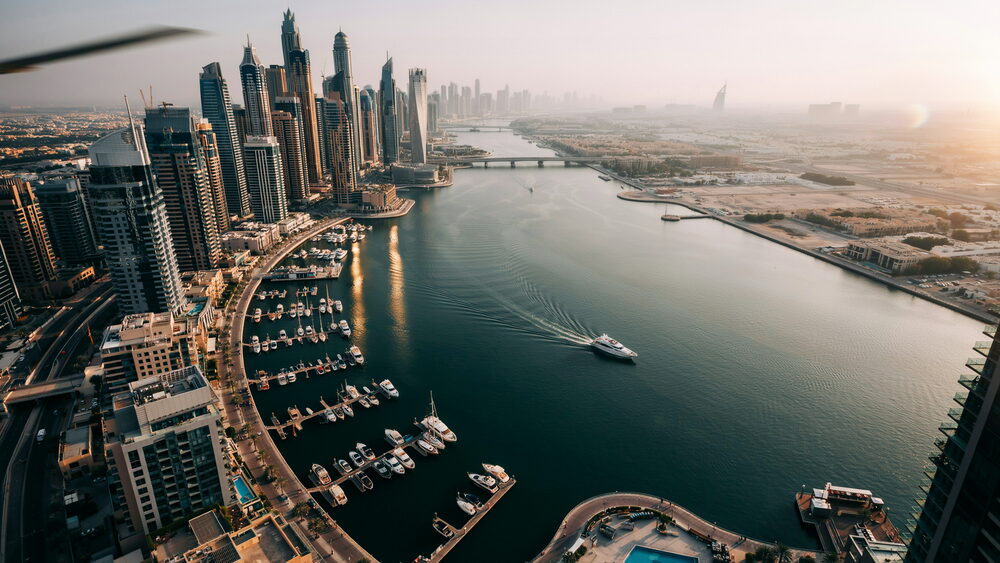
Dubai's property market doesn't sell square footage. It sells a feeling. A penthouse in the Marina isn't competing with the tower next door on floor plans alone. It's competing on how the light moves across the marble at 6pm, how the infinity pool seems to spill into the Gulf, how the lobby smells like a private members' club. A camera crew that shows up with a standard kit and a shot list can capture the rooms. It cannot capture why a buyer should pay AED 8 million for them.
This is where luxury property video marketing becomes a discipline of its own. The architectural detail in a Dubai villa demands more than a wide lens and good weather. You need someone who understands how to shoot a double-height ceiling without making it feel cavernous, how to hold a shot on a book-matched marble wall long enough for the veining to register, how to make a 40-storey tower feel both monumental and intimate. Those are directorial decisions, not technical ones.
Scale matters more here than almost anywhere else. A standard walkthrough video flattens a 12,000-square-foot penthouse into a series of rooms. A skilled production team uses movement, pacing, and selective focus to build anticipation, so the buyer feels the property unfold rather than just seeing it. That's the difference between a listing video and a piece of cinema.
We see this gap constantly. Developers invest heavily in architecture and interiors, then hand the visual story to a team that treats it like a corporate shoot. The result is competent but forgettable. And in a market where buyers often commit off-plan, before a single wall exists, the video isn't a nice-to-have. It's the product. That's why the work needs to sit inside a broader Proven Luxury Brand Strategy Dubai Property Developers framework, not as a standalone production job. The camera is only as good as the story it's told to tell.
Cinematic Real Estate Content: What Sets Premium Work Apart
Standard videography production documents a space. Cinematic real estate content makes a buyer feel something about it. The difference is rarely the camera. It's the decisions made around movement, light, and sound.
Drone work is the most obvious marker of premium property video, but most drone footage is wasted. A slow push toward a tower at golden hour works. A fast orbit around a villa reads as a real estate listing from 2016. The best operators plan drone shots around the property's strongest architectural lines, not around what's easiest to capture.
Gimbal movement matters more than most developers expect. Handheld footage creates micro-shake that viewers register as amateur, even if they can't name it. A gimbal lets the camera glide through a lobby or along a pool edge at a consistent pace. That consistency is what separates a walkthrough from a film.
Colour grading is where luxury property video marketing either succeeds or collapses. Dubai light is harsh, and ungraded footage often looks washed out or overly warm. A proper grade balances skin tones, deepens shadows, and keeps whites clean across marble, glass, and water. It's subtle work that most viewers never consciously notice, which is exactly the point.
Sound design is the step most video creation companies skip. A property film with only music feels empty. Layered ambient sound, soft footsteps on stone, water moving in a fountain, a distant city hum, gives the image physical weight. It's the difference between watching a screen and standing in the space.
We've written more about this in our Video Production Firm: Cinematic Real Estate Content Guide, where we break down how a dedicated video production company builds these layers into a single coherent film rather than a collection of pretty shots.
Choosing Between a Video Production Agency and a Freelancer
A solo videographer can shoot a beautiful penthouse walkthrough. We've seen it happen. But luxury property video marketing rarely stops at one clean shot. It needs drone coverage, interior lighting that flatters marble without washing it out, a director who understands pacing, an editor who can cut a 90-second teaser and a 4-minute full tour from the same footage, and a colorist who makes dusk footage feel expensive rather than muddy. That's a team, not a person.
A freelancer brings one camera, one set of eyes, and a schedule that depends on one human being. If they get sick the week of your launch, you're rebooking. A video production agency carries redundancy: a second shooter, a backup drone, an editor who isn't also the person holding the gimbal. For a developer launching a branded residence or a hotel group announcing a new wing, that reliability matters more than the day rate.
Equipment access is the sharper divide. A freelancer might own a solid mirrorless camera and a decent gimbal. An agency typically runs cinema bodies, anamorphic lenses, a licensed drone operator, and a lighting package sized for double-height lobbies. The gap shows up in the final grade and in how the footage holds up on a 4K screen in a sales gallery.
Creative direction is where the difference gets structural. A freelancer executes your shot list. An agency pushes back on it, suggests a narrative arc, and sequences the film so the reveal of the infinity pool lands at the right second. That's the gap between videography production as a service and video production as a strategy. Post-production capacity follows the same logic: one editor juggling three projects versus a suite handling sound design, motion graphics, and versioning for different platforms.
We've written about the premium versus mass-market split in Service Video Production: Premium vs. Mass Market Guide · DAO Marketing, and the same logic applies here. A freelancer suits a one-off teaser for an off-plan launch. A video production agency suits a developer who needs consistency across a full campaign, from site progress films to broker training videos, without re-briefing a new person every quarter.
What to Look for in a Dubai Video Production Company
Before you sign anything, run three checks on any video production company you are shortlisting. First, watch their last five property films end to end, not just the showreel. A showreel hides weak sound design and rushed pacing. Full films expose them. Second, ask which Dubai projects they shot in the past twelve months. A team that filmed a Palm Jumeirah penthouse last quarter knows the light, the access rules, and the approval timelines. A team that last shot in Dubai in 2023 does not.
Portfolio quality matters more than equipment lists, but you still want specifics. Ask what camera they use for interiors and whether they bring a gimbal operator or rely on a slider. Ask about drone licensing. Dubai requires GCAA approval for commercial drone work, and a legitimate video production company holds that paperwork before the shoot day. If they hesitate on this question, walk away.
Turnaround times vary, but a luxury property film should not sit in post for six weeks. Most established teams deliver a first cut within ten to fourteen days, with two revision rounds included. Get that in writing. Also confirm who owns the raw footage. Some video creation companies keep the masters and charge again for re-edits. You want full ownership of everything shot, even if you never touch the files.
Finally, check how they handle the Dubai market specifically. Do they know that a Burj Khalifa view shot needs a specific time window for clean air? Do they understand that Arabic subtitles for your sales film need a native editor, not a machine translation pass? A team that asks you these questions before you ask them is usually the safer bet. Compare a few options side by side before committing, because the difference between a competent crew and a Video Production Services: The Ultimate Guide for Dubai · DAO Marketing partner is visible in the first thirty seconds of the final film.
The Production Process: From Brief to Final Cut
A luxury property film rarely comes together in a single shoot day. The best video production services run a structured process that protects your budget and keeps the final cut on brief. Here's what a typical Dubai project looks like from the inside.
Discovery and creative brief. We start with a working session that covers the property's positioning, the buyer profile, and the three or four rooms that carry the most emotional weight. This stage usually takes three to five days and produces a one-page creative direction document: tone, pacing, colour temperature, and the story we're telling. No cameras yet.
Location scouting and shot list. A scout visits the property at two different times of day, because the light that flatters a penthouse at 9am can flatten it by 3pm. We map the sun path, flag any construction noise from neighbouring sites, and lock a shot list of 20 to 30 setups. For off-plan projects, this stage includes a 3D walkthrough review so the videography production plan matches the render angles buyers will recognise later.
Storyboarding. Every scene gets a rough frame, a camera move, and a note on what the viewer should feel. Storyboards keep a shoot day efficient: the crew knows the next setup before the current one wraps. Clients approve this board before we book equipment, which prevents expensive on-set debates about direction.
Shoot days. A single villa or show apartment usually needs one to two days. A full residential tower or branded residence campaign can run four to six days across multiple locations. We shoot with a small senior crew, typically a director, a cinematographer, and a first assistant, plus a stylist for interior scenes. Drone work happens in a separate window to respect Dubai's airspace rules and the building's own security protocols.
Editing and revisions. The first cut lands about two weeks after the shoot. We deliver it with a timecoded review link, and clients give notes in one consolidated round. A second revision follows within five to seven days. Colour grading, sound design, and a licensed music track are all part of this pass, not add-ons. The final master is delivered in formats ready for YouTube, Instagram, and the sales gallery screen.
Expect the full process to run four to six weeks for a single property. Rushed timelines are possible, but they usually cost more and produce a film that feels hurried. A good video production firm will tell you that plainly.
Video Creation Companies and the Dubai Aesthetic
Dubai gives video creation companies a visual language that exists nowhere else. The skyline shifts from glass towers at Business Bay to the low-rise calm of Al Barari, and the light changes with it. A shoot at 6:40 a.m. in Dubai Marina catches water reflections that are gone by nine. A desert sequence outside Al Qudra needs a completely different exposure strategy than an interior at One Palm. The best video creation companies in this market treat those conditions as part of the brief, not as obstacles to fix in post.
Interior luxury is where the city's property work gets demanding. Marble reads cold on camera unless the lighting team warms it with practicals and soft bounce. Double-height lobbies swallow sound, so dialogue and voiceover need lavaliers plus a boom, never one mic. We see too many projects where a beautiful penthouse films like a hotel room because nobody scouted the space for natural light angles. The fix is simple: walk the property at the same hour the shoot will happen, and plan the camera path around where the sun actually falls.
Skyline and marina shots carry their own rules. Drone work near the Burj Khalifa and Dubai Marina requires permits, and the wind off the Gulf can ground a shoot without warning. Experienced crews build buffer days into the schedule. For a closer look at how the city's best facilities handle these conditions, our guide to Video Studios: The Ultimate Guide for Dubai Luxury Brands · DAO Marketing covers the technical side in detail.
Desert light is the element most teams underestimate. It shifts from soft gold to harsh white in under an hour, and sand reflects enough to blow out highlights on white exteriors. The crews that get it right shoot exteriors in the first ninety minutes after sunrise, then move indoors for the rest of the morning. That sequencing, not the camera model, is what separates polished work from footage that looks like a real estate listing from 2016.
Production House vs. Filming House: Understanding the Terminology
In Dubai's property market, the terms production house and filming house get used almost interchangeably, and that causes real confusion when developers start comparing quotes. A Production House: The Ultimate Partner for Dubai's Luxury · DAO Marketing typically handles the full scope of a project: concept, script, casting, location management, shooting, editing, colour grading, sound design, and delivery. A filming house, by contrast, usually focuses on the capture side: cameras, lighting, grip, and the crew who show up on the day. The distinction matters because a video production company can operate as either, or as both under one roof.
We see this play out in real briefs all the time. A developer asks for a "filming house" because they already have a creative director and an edit team in-house, and they just need a crew with a RED or ARRI package for three shoot days. Another developer asks for a "production house" because they want one partner to own the entire deliverable from storyboard to final master. Neither request is wrong. They're just different scopes.
What trips people up is assuming the label tells you anything about quality. A Filming House: Dubai's Ultimate Luxury Visual Storytelling · DAO Marketing can produce stunning footage that falls flat in the edit because nobody owned the narrative. A production house can deliver a polished film that missed the brief because the concept was weak. The label describes the service boundary, not the craft.
For most property developers, the practical answer is to ask one question early: do you need a crew, or do you need a film? If you need a film, you want a partner who can carry the idea from first meeting to final delivery, whether they call themselves a production house, a filming house, or a video production company. The terminology is less important than whether one team is accountable for the whole result.
Budgeting for Luxury Property Video in Dubai
Money talk makes most developers uncomfortable, but a clear budget is what separates a film that sells units from one that just sits on a hard drive. Premium video production services in Dubai rarely come cheap, and that's usually a good sign. You're paying for crew experience, licensed drone operators, and a post-production team that understands how light behaves on glass and marble.
What actually drives the cost? Crew size is the first lever. A single videographer with a mirrorless camera can shoot a walkthrough for a few thousand dirhams. Add a director, a gaffer, a drone pilot with GCAA approval, and a focus puller, and the day rate climbs fast. Drone licensing matters more than most clients realise. Flying over Emaar Beachfront or Dubai Hills Estate without the right permits isn't a shortcut, it's a liability.
Post-production is where budgets quietly double. Colour grading for luxury property takes time because skin tones, water, and interior wood all need different treatment in the same frame. Sound design, licensed music, and motion graphics for floor plans add another layer. A three-minute cinematic film might need two weeks of editing, not two days.
For a realistic campaign, think in tiers. A single hero film for a flagship launch usually sits between AED 40,000 and AED 120,000 depending on scope. A full campaign with ten short social cuts, a drone reel, and a 60-second teaser often lands between AED 150,000 and AED 300,000. That's not a quote, it's a range we see across the market.
Allocate roughly 40% to pre-production and shoot days, 40% to post, and 20% to contingency. Permits get delayed, weather shifts, and reshoots happen. A good Service Video Production: Premium vs. Mass Market Guide · DAO Marketing partner will tell you where to trim without killing the film. If the budget is tight, cut the number of locations before you cut the grade. A beautifully finished film in one villa beats a rough edit across five.
How DAO Marketing Approaches Video Production for Property Brands
As a video production company, DAO Marketing takes a deliberately senior approach. We don't hand a Dubai property brief to a junior crew and hope for the best. A small team of experienced directors, cinematographers, and editors works on every project, which means the person who scopes the shoot is usually the person standing behind the camera.
That matters for luxury property video marketing. A penthouse in Dubai Marina needs a different visual language than a villa in Emirates Hills. We start by understanding the building's architecture, the light at different times of day, and the buyer profile. Then we build a shot list around those specifics, not around a generic template. The result is footage that feels like it belongs to that property, not to a stock library.
We also keep the full suite of services under one roof. Brand strategy shapes the visual direction before filming begins. Web development ensures the final cut sits inside a site that loads fast and presents the video properly. Performance media then puts that video in front of the right buyers, and our email and social teams extend its life beyond a single launch week. A video production services workflow like this removes the friction of coordinating five different vendors.
We're honest about trade-offs too. A two-minute cinematic film works for a launch event or a hero section on a project website. A series of 15-second vertical cuts works better for paid social. We'll tell you which one your budget should fund first, and we'll explain why. That candor is part of the taste-driven approach: we'd rather deliver one exceptional piece than three forgettable ones.
Measuring What Your Video Actually Delivers
A cinematic film that nobody watches is just an expensive screensaver. We tell our Dubai property clients to track four numbers from day one: view-through rate, average watch time, engagement actions, and lead quality. View-through rate tells you whether the first five seconds did their job. Watch time tells you whether the story held attention. Engagement actions, like shares and saves, tell you whether the film felt worth passing on.
Lead quality is where most developers lose the plot. A video that brings fifty inquiries from buyers who can't afford the project is worse than one that brings five qualified leads. We ask clients to tag every inquiry with its source, then compare the cost per qualified lead against their other channels. That single comparison usually settles whether the video budget was well spent.
Video also works as a multiplier inside a broader strategy. A strong film feeds paid social campaigns, sits on the project landing page, and gives sales teams something to send after a first call. That's why we measure video performance alongside the rest of the funnel, not in isolation. Our work with Digital Marketing Agencies for Dubai Property Developers · DAO Marketing clients follows the same logic: every asset has to earn its place in the conversion path.
One practical step we recommend is a simple before-and-after comparison. Record your baseline inquiry volume and lead quality for a month, launch the video, then compare the next month. That's not a perfect experiment, but it's honest enough to guide the next budget decision.
Frequently Asked Questions
How much does it cost to hire a video production company in Dubai?
Most luxury property films in Dubai run from AED 40,000 to AED 250,000. The range depends on shoot days, drone permits, talent, and post-production. A single polished brand film usually sits between AED 60,000 and AED 120,000, while multi-property campaigns with aerial work cost more.
How long does a property video take to produce?
Plan for three to six weeks from brief to final cut. Pre-production takes a week, filming usually runs one to three days, and editing, colour grading, and sound design take another two to three weeks. Rushed timelines are possible, but they cost more and rarely look as good.
What makes Dubai property video production different?
Dubai's light, skyline, and architecture demand a crew that understands heat, glare, and drone regulations. Permits for aerial shots near landmarks like Burj Khalifa or Palm Jumeirah need advance approval. A local video production company already has those relationships in place, which saves time and avoids fines.
Do I need a video production agency or can I hire a freelancer?
For a one-off social clip, a freelancer works. For a launch film or a full campaign across multiple properties, an agency brings directors, drone pilots, editors, and colourists under one roof. That coordination is what keeps a luxury brand looking consistent across every asset.
Can video production services help sell off-plan property?
Yes. Off-plan buyers can't walk through a finished building, so cinematic renders, flythroughs, and lifestyle films do the selling. The best work pairs architectural animation with live footage of the neighbourhood, giving buyers a sense of place before the first brick is laid.