
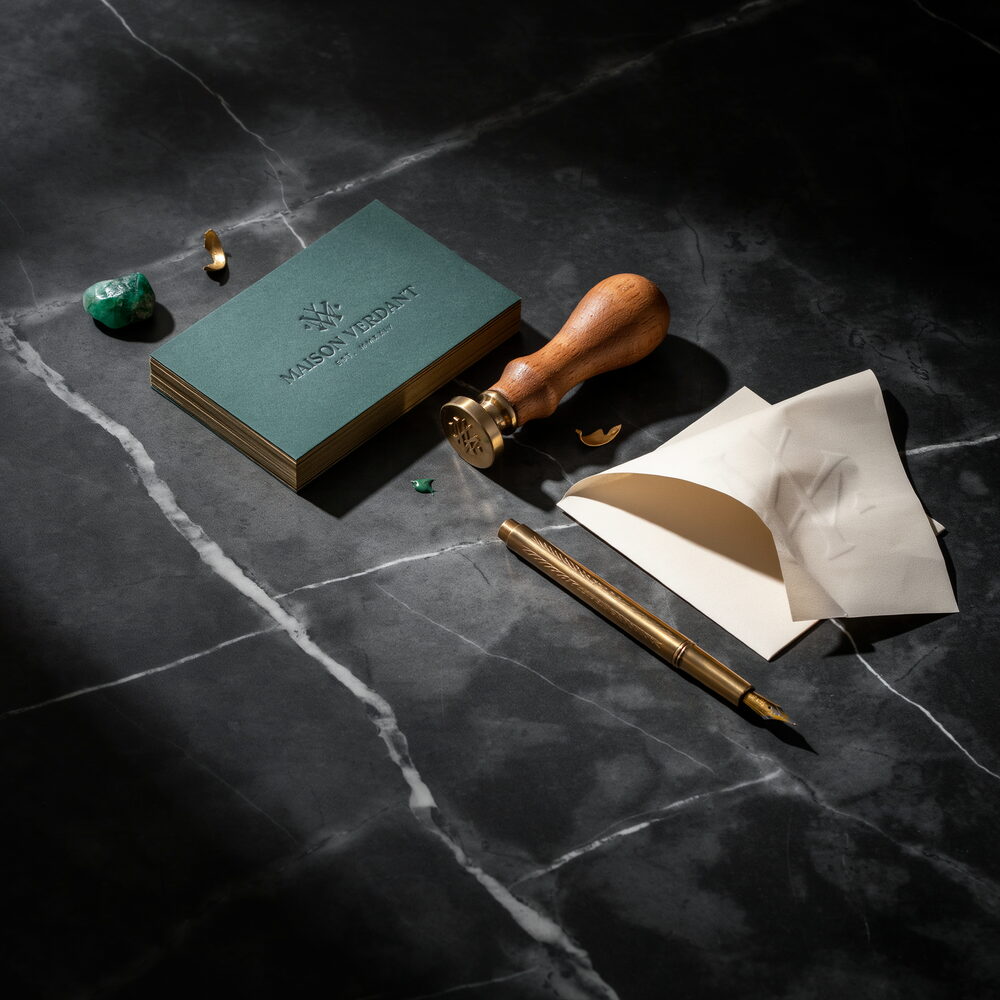
Choosing a creative agency is rarely a simple procurement decision for Dubai property developers. The right partner shapes how a tower, a villa community, or a waterfront district is remembered long after the launch event ends. We work with developers who want more than a logo and a brochure. They want a brand that holds its value in a market where buyers compare dozens of off-plan projects every week.
Key Takeaways
- Brand identity for luxury developers starts with strategy, not visuals. Positioning, naming, and voice come before any design work.
- Dubai's property market rewards brands that feel specific and restrained, not loud or generic. A clear point of view beats a bigger logo.
- Your website and digital experience are the first showroom most buyers enter. They need the same craft as the building itself.
- Performance media works best when the brand is already distinct. Ads amplify a clear identity; they cannot invent one.
- DAO Marketing approaches every developer project as a full brand system, from strategy and identity to web and paid media, under one roof.
What a Creative Agency Actually Does for a Property Developer

Most developers think a creative agency makes things look pretty. That's the smallest part of the job. The real work starts earlier, when a project is still a plot number and a set of floor plans. A creative agency shapes how buyers feel about a building before they ever see a show apartment. For a Dubai developer, that means translating architectural intent into a story that works across sales galleries, brochures, websites, and the quiet moments when a buyer scrolls Instagram at midnight.
We start with positioning. Who is this building for? A Palm Jumeirah villa buyer and a JVC apartment buyer respond to completely different signals. The first wants rarity and provenance. The second wants smart layouts and a sense of upward momentum. A creative agency names the project, writes the voice, and builds the visual system that carries those signals consistently. That includes the logo, typography, color palette, photography direction, and the tone of every sales document.
Then comes the experience layer. A developer's website is often the first handshake with a buyer, and it has to feel like the building itself. The same goes for the sales gallery, the brochures, the email sequences, and the paid media that drives traffic to all of it. A Proven Creative Agency: Elevating Luxury Lifestyle Brands · DAO Marketing guide we wrote covers this in depth, but the short version is that every touchpoint has to reinforce the same promise. A buyer who sees a cinematic film, then lands on a clunky website, then receives a PDF that looks like it was made in 2012 will quietly assume the building is just as inconsistent.
Performance media sits inside this too. A creative agency doesn't just make the campaign assets, it helps decide where they run, what the offer is, and how the data feeds back into the next iteration. For property developers, that loop matters because sales cycles are long and the market shifts fast. The creative work and the media work are the same conversation, not two departments handing files back and forth.
Why Dubai's Luxury Market Needs a Different Kind of Creative Partner
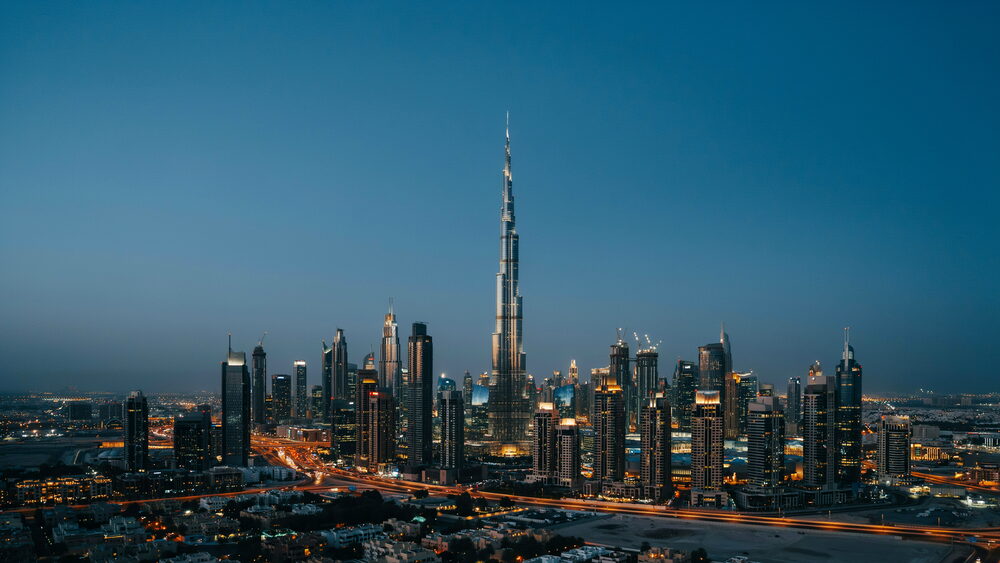
Dubai's luxury property market doesn't reward safe work. A developer selling a villa on Palm Jumeirah isn't competing with the project next door. They're competing with branded residences in London, Miami, and Monaco. Buyers here compare a Dubai penthouse against a chalet in Courchevel, often in the same week. That changes what a creative agency has to deliver.
Most branding firms treat a property launch as a logo, a brochure, and a launch event. That's fine for mid-market apartments. It collapses in the luxury tier, where the buyer is sophisticated, time-poor, and allergic to anything that feels templated. A generic identity reads as a discount signal. When a three-bedroom apartment costs eight figures, the brand has to carry the same weight as the architecture.
We see this gap constantly. Developers come to us after spending heavily on renderings and sales galleries, only to find the brand itself feels flat. The name doesn't travel. The voice sounds like every other launch. The website loads beautifully but says nothing a buyer remembers. That's the cost of treating brand as decoration instead of strategy.
A Branding Agency in Dubai · Identity Systems Built to Last · DAO Marketing works differently. We build identity systems that hold up under real market pressure: naming that works in Arabic and English, visual languages that stay sharp on a hoarding and a private dinner invitation, and messaging that a sales director can actually deliver without sounding rehearsed. The luxury buyer notices the difference immediately.
What a creative agency Dubai brings is local fluency plus global standards. We know which materials a Dubai buyer expects, how much restraint reads as confidence, and where a developer can push without looking desperate. That combination is rare, and it's exactly what this market demands.
Brand Strategy Before Visuals: The Foundation Most Developers Skip
We see it often. A developer commissions a logo before anyone has answered a single strategic question. The result is a beautiful mark that says nothing, aimed at no one in particular, and it gets replaced within eighteen months. That's an expensive way to learn that visuals are the last step, not the first.
Positioning has to come first because it decides what the visuals must communicate. Which buyer are you courting: the end investor looking for yield, the family buying a primary residence, or the institutional fund scanning for portfolio assets? Each answer points the identity in a different direction. A logo designed before that question is settled is just decoration.
Strategy also forces hard trade-offs. A waterfront project in Dubai Marina and a villa community in Al Barari can't share the same tone, the same photography style, or the same typographic voice. When we work on Brand Strategy Agency in Dubai · Positioning That Earns Attention · DAO Marketing, we start with the buyer profile, the competitive set, and the emotional territory the brand can own. Only then do we brief the designers.
That sequence changes the conversation. Instead of asking "do you like this logo?", the developer asks "does this express the positioning we agreed on?" It's a smaller, sharper question, and it produces better work. The visual identity stops being a matter of taste and becomes a testable output of a strategy everyone signed off on.
Most developers skip this because it feels slow. A logo can be delivered in two weeks; a positioning exercise takes longer. But the brands that endure in Dubai's luxury sector are the ones that treated strategy as the foundation, not the afterthought.
Naming, Voice, and the Words That Carry a Brand
Company branding starts with the name, and for a Dubai developer that name has to do real work. It appears on hoardings along Sheikh Zayed Road, in sales galleries, on legal documents, and in conversations with brokers. A name that sounds clever in a boardroom but confuses a buyer from London or Riyadh is a liability. We push for names that are easy to say, easy to spell, and easy to remember across Arabic and English. That usually means short, concrete words rather than invented compounds.
Voice is where most developers drift. They want to sound prestigious, so they adopt a stiff, formal register that reads like a press release from 2009. A creative agency works differently. We interview the founders, read their past communications, and listen to how they actually talk about their projects. Then we build a tone of voice guide that captures that register without the corporate filler. For a waterfront villa community, the voice might be calm and precise. For a branded residence tied to a fashion house, it might be sharper and more curated.
Messaging is the layer most teams skip. A name and a logo without clear messaging leave sales teams improvising. We write the core lines: the one-sentence positioning, the three proof points, the objection handlers. These become the raw material for brochures, websites, and sales scripts. Branding firms often stop at the visual identity, but the words carry the brand into every conversation a buyer has. That is why we treat naming, voice, and messaging as one system, not three separate deliverables.
Visual Identity Systems That Survive Contact With the Market
A logo is not a brand. Developers hear this from us often, because the market keeps proving it. The logo matters, but it is one moving part inside a system that has to hold up across a hoarding on Sheikh Zayed Road, a sales gallery wall, a 27-inch monitor, and a phone screen. If the system breaks at any of those sizes, the brand feels cheaper than the build cost.
Typography does quiet work. We usually limit a luxury developer to two typefaces: one serif with real character for headlines, one clean sans for wayfinding and body copy. More than that and the identity starts to look like a template from a marketplace. Color is tighter still. A restrained palette of two or three tones, with one accent used sparingly, reads as expensive. A palette of six reads as a brochure.
Photography direction is where most Dubai property brands lose coherence. One shoot uses golden-hour drone footage, the next uses flat interior snaps from a phone. We write a short direction document that fixes light, angle, crop, and the kind of people shown. It does not need to be long. It needs to be followed.
Then comes application. The identity has to survive a construction fence, a sales agreement PDF, an email signature, and a hoarding printed at 12 metres wide. We test the logo at 16 pixels and at billboard scale before it ships. That practical testing is the difference between a pretty presentation deck and an identity that works. Our Brand Identity Design Services: A Practical Guide for Dubai walks through the full system, including the asset checklist we hand to every developer's in-house team.
One honest caveat: a visual system cannot rescue a weak name or a confused positioning. It can only make a clear strategy visible. Developers who skip strategy and ask for a logo get a logo. Developers who bring strategy get an identity that still looks right three years later, when phase two launches and the first sales gallery has been repainted twice.
Digital Presence: Websites, Apps, and the Experience Layer
A luxury developer's website is often the first place a serious buyer forms an impression. It has to load fast, feel calm, and show restraint. No flashing banners, no crowded navigation. The design should let the architecture speak.
We build digital experiences that match the physical product. That means long-scroll project pages with generous white space, typography that reads like a printed brochure, and photography that isn't compressed into mush. The code underneath matters just as much: clean markup, fast server response, and a content structure that search engines can actually parse.
Apps sit at the other end of the spectrum. A residents' app for a branded residence might handle concierge requests, amenity bookings, and community notices. A sales app for a development team might hold floor plans, payment schedules, and unit availability. These aren't brochureware. They're tools people use daily, so the interface has to be obvious without being plain.
What ties it together is a single experience layer. The same color logic, the same tone of voice, the same sense of quality should carry from the website to the app to the email a buyer receives after a viewing. That consistency is what makes a brand feel established rather than assembled. As a Digital Marketing Agency in Dubai · Web, App, SEO & Social · DAO Marketing team, we treat every digital touchpoint as part of one system, not a collection of separate projects.
One practical detail developers often miss: the website's information architecture. If a buyer can't find the payment plan or the master plan within two clicks, the beautiful design doesn't matter. We map the user journey before we open a design file. That order of operations saves months of rework later.
Performance Media and the Art of Being Seen
A beautiful brand means nothing if the right buyers never see it. That's why performance media sits inside a creative agency's remit, not outside it. We plan paid campaigns, SEO, and social as one connected system, because a property developer's audience moves between search, Instagram, and a broker's WhatsApp message without noticing the seams.
Paid media for luxury property is not about shouting louder. It's about showing the right villa to the right buyer at the right moment. We build audience segments around real signals: people searching for waterfront plots in Dubai, executives relocating from London, families comparing school catchments in Jumeirah. The creative and the targeting have to match, or the spend leaks. Our Advertising Agency: The Definitive Guide for Dubai's Luxury walks through how we structure those campaigns so the media budget works as hard as the creative.
SEO is the slower, compounding layer. A developer who ranks for "new villas in Dubai Hills" or "off-plan apartments in Business Bay" gets enquiries without paying for every click. We treat SEO as a creative discipline: the page structure, the photography, the way a project is described all shape whether Google trusts the site enough to show it. Social sits on top, keeping the brand present between searches with short-form video, site walkthroughs, and launch teasers that feel like the brand, not like ads.
The result is a loop. Paid media finds buyers now. SEO builds a pipeline that keeps working. Social keeps the brand warm in between. A creative agency that treats these as separate departments will hand you three disconnected reports. We hand you one system that compounds.
How to Choose a Creative Agency in Dubai
Most developers start their search by looking at portfolios. That's a reasonable first filter, but it tells you very little about whether a creative agency can actually carry a brand from strategy to launch. We tell clients to look at three things before they look at the work: how the agency talks about positioning, how they handle feedback, and whether they have real experience in the luxury property sector.
Ask any shortlisted agency these questions. Who owns the strategy work, and will you see it before any visuals are produced? How do you handle a developer who already has an in-house marketing team? What happens when a brand direction isn't working after the first round of concepts? The answers reveal more than any case study.
Red flags are easy to spot once you know what to look for. An agency that promises a full brand identity in two weeks is skipping the research phase. One that can't name a single Dubai property project they've worked on is learning on your budget. And any agency that shows you logo options before asking about your buyers, your pricing, or your competitors is selling decoration, not brand strategy.
We also recommend checking how the agency handles the handoff. A strong partner will deliver brand guidelines, asset libraries, and a clear system your internal team can use without calling the agency every week. That's the difference between buying a logo and building a brand. For developers who want to understand what a proper strategic foundation looks like before they start interviewing agencies, our guide to Proven Luxury Brand Strategy Dubai Property Developers walks through the process step by step.
Finally, trust your read on the people. You'll be in weekly contact with this team for months. If the senior people disappear after the pitch and you're handed to juniors, that's a signal the agency doesn't value the relationship. Choose a partner who treats your brand like the long-term asset it is.
What Working With a Creative Agency Actually Feels Like
Most developers assume the process is a series of handoffs. You brief us, we disappear for three weeks, and a logo arrives. That is not how we work at DAO Marketing. The first fortnight is a working session, not a waiting period. We sit with your project team, walk the site if it exists, and read the sales collateral your brokers actually use. Then we agree on a single positioning sentence before a single visual is drawn.
After that, the rhythm settles into a weekly cadence. You see work in progress, not polished reveals. A naming shortlist arrives as a working document with our reasoning attached. A visual direction comes as three routes, each with a clear strategic argument, not a mood board of pretty images. We expect pushback. A developer who questions a typeface choice is usually right about something we missed.
Deliverables land in a predictable order: strategy document, verbal identity, visual system, then the digital layer. Timelines vary, but a full brand identity for a single development typically runs eight to twelve weeks. A Branding Agency in Dubai · Identity Systems Built to Last · DAO Marketing engagement should feel like a working partnership, not a vendor relationship. You will know the names of the people doing the work, and they will know your project's constraints. That is the point.
Common Mistakes Developers Make With Branding
Most branding failures in Dubai's property market aren't creative failures. They're process failures. A developer commissions a logo, gets a brochure, and calls it a day. Then sales stall and nobody can say why.
The first mistake is skipping strategy entirely. We see it constantly: a project gets named, a palette gets picked, and only later does someone ask who the buyer actually is. Brand strategy has to come first. Without positioning, every visual choice is a guess. That's why Brand Strategy Agency in Dubai · Positioning That Earns Attention · DAO Marketing work starts with the audience, not the moodboard.
Copying competitors is the second trap. Dubai's luxury sector is crowded, and the instinct to borrow what's already working is strong. But a brand that looks like everyone else's brand has no reason to be remembered. The developers who win are the ones willing to look different, even when it feels uncomfortable at first.
Treating brand as a logo is the third and most common error. A logo is one asset. A brand is the full system: voice, typography, photography style, the way a sales team answers the phone, the feel of a show apartment. When developers treat company branding as a one-time deliverable instead of an ongoing discipline, the identity falls apart the moment it touches the real world.
Finally, there's the rush. Developers under launch pressure compress a six-week branding process into ten days, then wonder why the result feels thin. Good work needs iteration. The projects that hold up over time are the ones where the client stayed in the room.
Frequently Asked Questions
What does a creative agency actually do for a property developer?
A creative agency shapes how a development is seen and remembered. We handle naming, visual identity, website design, film, and campaign work, then make sure every touchpoint speaks the same language. For developers, that means a brand that feels coherent from the first render to the sales gallery.
How much does branding cost for a luxury development in Dubai?
Costs vary widely. A full identity system for a premium project usually starts in the mid five figures and can reach seven figures for multi-tower launches with film and digital. Smaller scopes, like a naming sprint or a website refresh, cost less. We scope against the launch calendar, not a fixed menu.
How long does a full brand identity take?
Most luxury developments need eight to fourteen weeks from kickoff to final delivery. Naming and strategy take the first three to four weeks, visual systems the next four to six, and digital buildout runs alongside. Tight launch dates can compress this, but we protect the strategy phase because it prevents expensive rework later.
Should a developer hire a creative agency Dubai based or work with an international firm?
Local presence matters more than most developers expect. A Dubai-based team knows the regulatory environment, the sales cycle, and what buyers in this market respond to. International firms bring fresh perspective, but they often miss the cultural nuances that make a launch land. Many projects blend both.
What is the difference between branding firms and a design agency?
Branding firms focus on strategy, positioning, naming, and the systems that hold a brand together. A design agency leans toward execution: visual identity, packaging, digital interfaces. The best luxury work needs both, which is why we run strategy and design under one roof rather than splitting them across vendors.